Weekly Landscape Maintenance Habits for a Beautiful Property
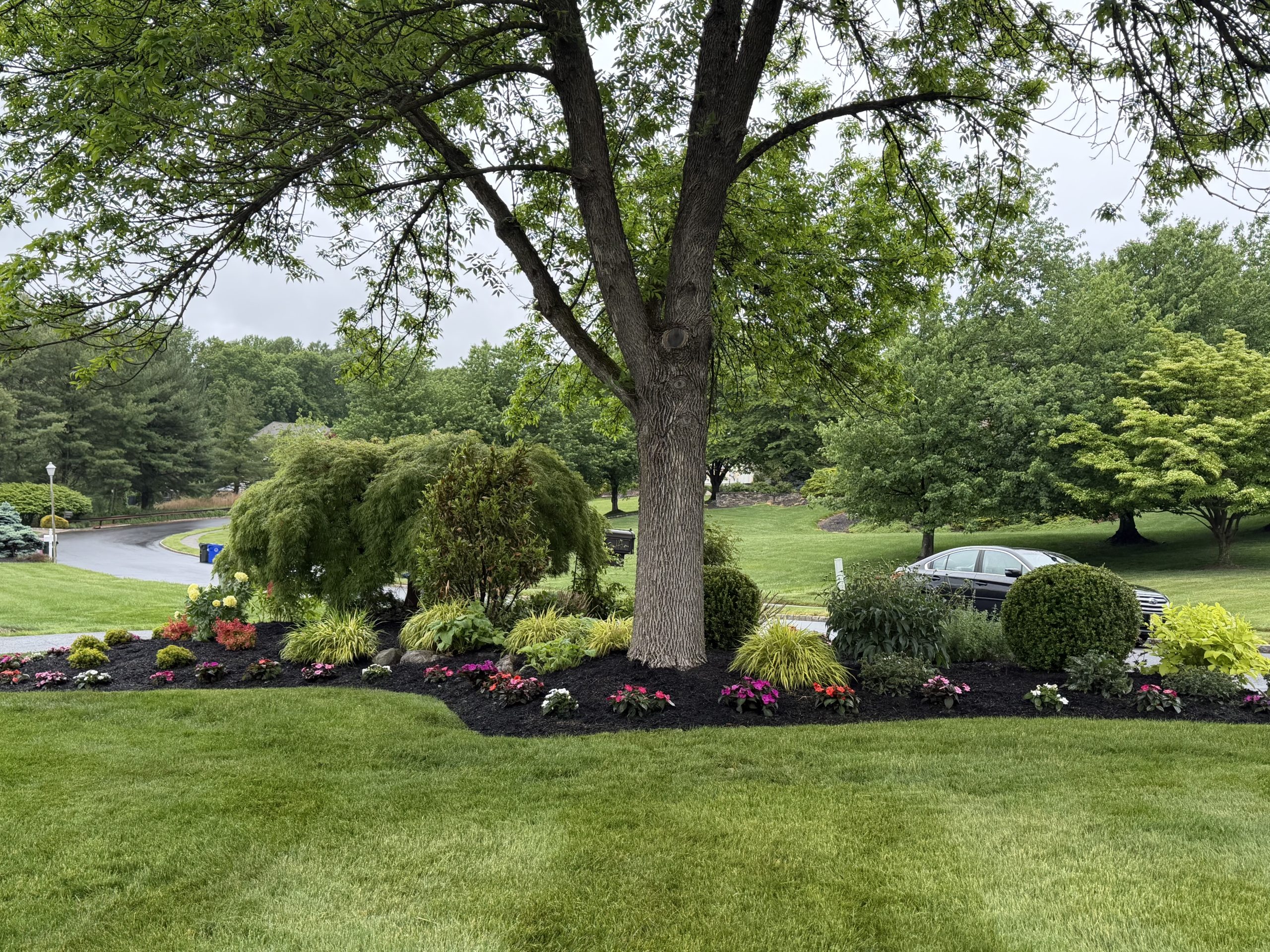
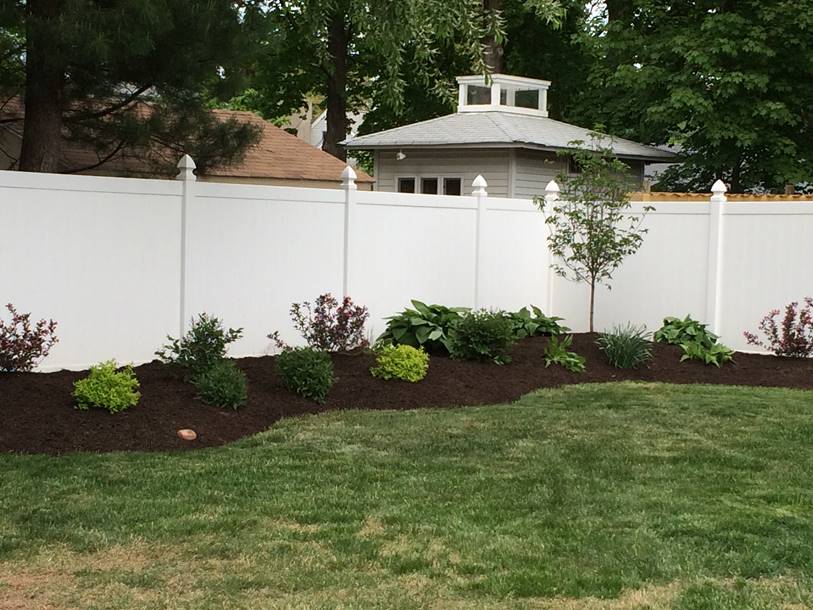

A beautiful property rarely happens because someone tackles a giant yard project once a month. It usually comes from smaller, repeatable habits that keep plants healthy, hardscapes clean, and little problems from turning into expensive ones. In practical terms, weekly landscape maintenance is less about constant labor and more about staying ahead of the curve.
That distinction matters. A bed full of weeds after three neglected weeks can take an afternoon to recover. The same bed, checked once every seven days, may need only ten minutes of hand-pulling and a quick edge touch-up. The same principle applies to turf stress, irrigation issues, insect damage, and drainage trouble. Most outdoor problems announce themselves early. You just have to notice them while they are still manageable.
Property owners often assume great landscapes demand either a full-time crew or a wide-open Saturday. In reality, consistency beats marathon work sessions. A well-kept lawn, crisp planting beds, healthy shrubs, and clean outdoor surfaces usually reflect observation, timing, and restraint. Overworking a landscape can cause almost as many issues as neglecting it. Weekly habits create a rhythm that helps you do enough, but not too much.
The weekly walkthrough that saves the most money
If I had to reduce Landscape Maintenance to one essential weekly habit, it would be a slow walk around the property. Not a rushed glance from the driveway, and not a phone-in-hand pass-through while answering emails. A real inspection, ideally at the same time each week, lets you spot subtle changes that are easy to miss otherwise.
Early morning is best in many climates because the light is softer, irrigation issues are easier to see, and plant stress often shows clearly before midday heat changes the picture. You can hear a broken spray head clicking, notice soggy spots from a leaking valve, or catch a fungal issue when leaf surfaces are still telling the truth about overnight moisture.
During that walk, pay attention to color, texture, and pattern. Healthy turf should look even from a distance. One discolored strip often points to irrigation coverage problems. A shrub with one branch suddenly wilted may have root damage, stem injury, or localized pest pressure. Mulch displaced in one area can tell you more than you think. Sometimes it means runoff. Sometimes it means animal activity. Sometimes it reveals that water is hitting too hard and eroding the bed.
The goal is not to diagnose every issue on the spot. The goal is to notice what changed since last week. Landscapes are living systems. They shift constantly, but they usually send signals before they fail.
Mowing is not just about height
Many weekly maintenance routines revolve around mowing, but mowing is often handled mechanically, without much judgment. That is where lawns start to slide. Grass height affects root depth, moisture retention, weed pressure, and how polished the property looks from the street.
A common mistake is cutting too low because it seems like it will buy more time before the next mow. It rarely works that way. Scalped turf gets stressed, dries faster, and opens the canopy so weeds can germinate. In warm weather, that can turn a decent lawn into a patchy one in a matter of weeks. Most turf performs better when you remove no more than about one-third of the blade at a time. That guideline is not rigid in every situation, but it is a reliable benchmark.
Sharp mower blades matter more than many people realize. Dull blades tear grass rather than cutting it cleanly. You can often see the result a day or two later when the lawn takes on a hazy, slightly brown cast at the tips. That is not always drought stress. Sometimes it is simply ragged tissue drying out.
Alternating mowing direction each week also helps. Repeatedly cutting the same pattern can lead to ruts, soil compaction, and grass that starts leaning one way. On larger properties, this becomes obvious over time. On smaller lawns, it still makes a visible difference in the uniformity of the finish.
Clippings should usually stay on the lawn if they are not excessive. They break down quickly and return nutrients to the soil. Bagging every week is often unnecessary unless the lawn got too long, disease is present, or leaves and debris are mixed in.
Watering needs a weekly adjustment, not a fixed schedule
One of the least effective habits in landscape care is watering by calendar alone. Landscapes do not use water in neat, identical weekly amounts from spring through fall. Temperature, humidity, wind, soil type, plant maturity, sun exposure, and recent rainfall all affect demand.
A fixed irrigation schedule might keep things alive, but it often wastes water or weakens plants. Lawns and ornamentals generally respond better to deeper, less frequent watering than to shallow daily applications. Shallow watering encourages shallow roots, and shallow roots create plants that decline faster when conditions get tough.
Every week, it is worth checking how irrigation is actually performing. That means more than seeing if the controller is on. Run each zone long enough to observe coverage. Make sure heads are not blocked by overgrown perennials. Look for misting, which can indicate pressure problems. Watch for water hitting sidewalks, fences, or the side of the house instead of the root zone. Those are common issues, especially as plants grow in over the season.
On properties with mixed plantings, one schedule rarely suits everything. Turf in full sun, foundation shrubs under eaves, annual containers, and established shade trees all have different needs. Grouping plants by water demand is ideal, but even when the system is not perfect, weekly adjustments improve outcomes significantly.
A practical field test is simple. Push a screwdriver or soil probe into the ground after irrigation. If the soil is only moist at the surface, you are not watering deeply enough. If it is saturated for too long, especially in heavier clay soils, you are creating conditions that favor root disease and weak growth. Good Landscape Maintenance depends on reading those conditions rather than guessing.
Beds look tidy when edges and weeds are handled early
Planting beds can make a property feel refined or neglected within seconds. Crisp bed lines frame the landscape. Soft, broken edges blur it. Most of the difference comes from weekly attention to detail rather than major renovation.
Edging does not always mean recutting every line every week. Often it means touching up the places that visually unravel first, around walkways, drive edges, mailbox posts, and prominent front beds. Those high-visibility areas carry a lot of visual weight. If they stay clean, the entire property tends to look more maintained.
Weeds are easiest to control when they are small and sparse. Once they flower or seed, you are no longer just cleaning up. You are setting up the next wave. Weekly hand-pulling in beds is often faster and more effective than letting weeds mature and then relying on a broad cleanup. It also gives you a chance to notice whether a weed issue is tied to mulch depth, irrigation overspray, thin plant coverage, or bare soil.
Mulch should be monitored with the same mindset. It should look settled and intentional, not piled high against stems and trunks. Too much mulch around the base of shrubs or trees can hold moisture where it should not and invite decay. A modest, even layer suppresses weeds and moderates soil temperature. A mulch volcano does not.
There is also a judgment call with self-seeding annuals and volunteer plants. Not every surprise seedling is a problem. Some add charm in cottage-style gardens or informal pollinator beds. But if the overall design is formal, those volunteers can quickly read as neglect. Weekly upkeep helps you decide what stays and what goes before the space loses definition.
Pruning every week does not mean hacking everything back
The word pruning often makes property owners either overconfident or nervous. Weekly landscape maintenance does not require aggressive cutting. In fact, indiscriminate pruning is one of the fastest ways to weaken shrubs, spoil bloom cycles, and create awkward regrowth.
What does belong in a weekly routine is light corrective attention. Remove broken stems after wind. Clip spent flowers on plants that respond well to deadheading. Cut out clearly diseased or insect-damaged material when practical. Thin a stray shoot that blocks a path or obscures a fixture. These are small acts, but they preserve form and plant health.
The timing of larger pruning jobs matters. If you shear spring-flowering shrubs too late, you remove next year’s blooms. If you heavily prune certain evergreens during heat stress, recovery may be uneven. Weekly care should focus on observation and minor adjustments, not cosmetic overreaction.
I once saw a property where every shrub was sheared into rounded green lumps every Friday, regardless of species, season, or condition. It looked neat from the car, but up close the plants were dense on the outside, bare on the inside, and increasingly susceptible to pest problems. Formal landscapes can absolutely be beautiful, but they require selective thinning as well as surface shaping. Precision matters more than frequency.
Debris control is part of plant health, not just appearance
Leaves, sticks, spent blooms, seed pods, and storm debris make a property look tired quickly. That part is obvious. Less obvious is how debris management affects airflow, disease pressure, and drainage.
When wet organic matter accumulates in dense planting areas, it can trap moisture around crowns and lower foliage. In humid climates, that invites fungal issues. In turf, heavy leaf cover blocks light and can smother grass surprisingly fast. In gravel areas and along hardscape edges, decomposing debris creates pockets where weed seeds establish easily.
A weekly cleanup pass does not have to be intensive. It is often enough to clear entry areas, patios, visible beds, and turf corners where debris gathers. On larger properties with mature trees, wind patterns matter. The same low spot behind the garage or fence line may collect material every week. Once you know the property, cleanup becomes faster because you stop treating the entire landscape as equally needy.
Storm weeks are different. After a strong rain or wind event, it pays to inspect trees, drainage swales, downspout outlets, and low-lying turf. Small branch failures can signal structural issues higher up. Silt or mulch washed into turf can point to water moving too fast through beds. These are not cosmetic details. They are clues.
Hardscapes quietly shape the whole impression
People tend to think of landscaping as plants, but hardscapes carry a large share of the visual load. A clean walkway, weed-free paver joints, swept porch, and stain-free patio can make average planting beds look better than they are. The reverse is also true. Magnificent plants lose impact beside dirty concrete and neglected edges.
Weekly maintenance here is mostly preventive. Sweep often enough that debris does not grind into surfaces or stay damp in shaded corners. Pull or treat weeds in joints while they are young. Check for ant mounds, moss buildup, and slippery algae, especially where irrigation overspray or poor drainage keeps surfaces wet.
This is also where safety intersects with appearance. Uneven pavers, loose stones, and slick shaded steps should never be ignored because they seem minor. A beautiful property is supposed to be used. Weekly habits help you catch those issues while repairs are still simple.
Outdoor furniture benefits from the same approach. Wipe down tables, shake out cushions if they got damp, and move planters or decor items just enough to prevent permanent staining underneath. The property reads as cared for when every visible surface gets light, regular attention.
Weekly care changes with the season
The routine stays weekly, but the emphasis should shift through the year. That flexibility is one of the marks of good landscape judgment. A summer property does not need the same attention as an early spring one, even if the walk-through happens every Saturday.
Here are the seasonal adjustments that matter most:
- In spring, watch for winter damage, emerging weeds, soggy areas, and irrigation startup issues.
- In summer, focus on water stress, mowing height, spent blooms, and pest activity.
- In fall, stay ahead of leaf accumulation, reduce disease risk, and monitor soil moisture as temperatures change.
- In mild winters, inspect evergreens, hardscapes, and drainage after storms, and avoid unnecessary foot traffic on saturated soils.
- In cold climates, use weekly checks to spot salt injury, broken branches, and heaving around paving or edging.
Those shifts are subtle but important. A property that receives the same exact treatment every week of the year usually ends up overmanaged in one season and neglected in another.
Containers, entry plantings, and focal points deserve extra attention
Not every square foot of the landscape needs equal effort. That is one of the most useful truths for busy property owners. High-impact zones influence how the whole property feels. Front entry containers, porch steps, driveway approach beds, and the primary patio are often worth checking twice a week, even when the rest of the grounds only get one pass.
Containers dry out faster than in-ground plantings, especially in sun and wind. They also show stress faster. A mixed planter can go from lush to tired in three hot days if watering is uneven or if one aggressive plant starts crowding the others. Deadheading and occasional grooming here make an outsized difference because these spots sit at eye level.
Entry plantings work the same way. If one hydrangea flops, one annual goes leggy, or one clump of ornamental grass starts browning at the base, people notice. Weekly attention in these focal areas keeps the most visible parts of the property sharp, even if a back bed can wait another few days.
This is also the place for scent and hospitality. If herbs are planted near a path, trim them lightly so they stay full and release fragrance when brushed. If flowering plants near the front door are between bloom cycles, replacing or rotating a few seasonal accents may do more for curb appeal than a large project elsewhere.
Knowing when not to intervene
A polished landscape does not mean every leaf must be removed and every plant forced into a rigid shape. Some restraint is healthy. Beneficial insects need habitat. Soil benefits from organic matter. Trees and shrubs often recover better when they are not constantly fussed over.
The trick is distinguishing natural from problematic. A few yellowing interior leaves on a mature evergreen may be normal seasonal shedding. A sudden flush of yellow tips across the outer canopy is another matter. Clover in a low-input lawn may be acceptable or even desirable for some owners, while others want a more formal turf look. Seed heads on ornamental grasses can be elegant in one design and messy in another.
Weekly Landscape Maintenance is partly technical and partly aesthetic judgment. The best routines reflect the property’s style, the owner’s tolerance for imperfection, and the site’s environmental conditions. There is no virtue in fighting the landscape into a look it cannot sustain.
A realistic weekly rhythm for busy properties
People often ask how much time weekly maintenance should take. The honest answer depends on the size of the property, plant maturity, climate, and design complexity. Still, most well-planned residential landscapes can stay in excellent condition with one focused session and one brief visual check midweek.
A practical rhythm often looks like this:
- Start with a full property walk to spot irrigation issues, storm damage, weeds, and plant stress.
- Mow and trim as needed, adjusting height to weather and growth rate.
- Tidy beds and focal areas, pull young weeds, and refresh edges where the eye goes first.
- Clear debris from turf, hardscapes, drains, and patio spaces.
- Finish with light pruning, deadheading, and any irrigation adjustments based on actual conditions.
On a compact property, that might take sixty to ninety minutes. On a larger lot with extensive beds, lawn, and hardscaping, it could take several hours or require a professional crew. The point is not speed. The point is sequence. A repeatable order reduces missed details and keeps work from sprawling.
When professional help makes weekly maintenance better
Even owners who enjoy gardening often benefit from professional support, especially when the property has mature trees, complex irrigation, specialty turf, or demanding ornamental plantings. Weekly professional maintenance does not mean outsourcing every task. It can mean using expert help strategically.
For example, a homeowner may handle routine cleanup and deadheading but bring in a landscape crew for mowing, edging, and bed care. Another may manage the entire garden personally but schedule a monthly irrigation check and seasonal pruning support. Properties with extensive hedges, fine lawns, or estate-style grounds usually need a higher level of technical consistency than casual weekend work can provide.
Good professionals also notice patterns that others miss. They can tell when recurring turf decline points to compaction rather than fertilizer deficiency, or when bed washout is really a grading issue. That kind of diagnosis is part of what makes professional Landscape Maintenance valuable. It is not just labor. It is pattern recognition built over time.
The properties that stay beautiful are rarely the ones with the biggest budgets
They are usually the ones where someone pays attention every week. That could be a homeowner with a sharp eye, a grounds manager who knows the site intimately, or a dependable maintenance crew that treats the property as more than a checklist.
Beauty in a landscape comes https://felixyxkg115.talesignal.com/posts/landscape-maintenance-practices-for-better-soil-health from many small corrections made in time. A sprinkler head gets adjusted before turf burns. A weed gets pulled before it seeds. A branch gets removed before it tears farther in the next storm. A container gets watered before it wilts at the front door. These are ordinary actions, but stacked together over months, they create the kind of property people remember.
Weekly habits do not just preserve appearance. They protect investment, reduce waste, and make the landscape easier to enjoy. When maintenance becomes steady rather than reactive, the entire property feels calmer, healthier, and more intentional. That is the real payoff.
Majestic Mowing & Landscaping LLC
Phone number: +19733975532
FAQ About Landscape Maintenance
What is landscape maintenance?
Landscape maintenance is the ongoing care, cleaning, and upkeep of outdoor green spaces to keep them healthy, safe, and attractive.
Is $100 an hour too much for landscape work?
An hourly rate of $100 is not too much for specialized or professional landscape work, though it sits at the higher end of the standard pricing spectrum.
How much do landscapers charge for maintenance?
For professional landscaping maintenance, homeowners typically pay $100 to $410 per month for recurring services, or an hourly labor rate of $50 to $100 per hour per crew member.